
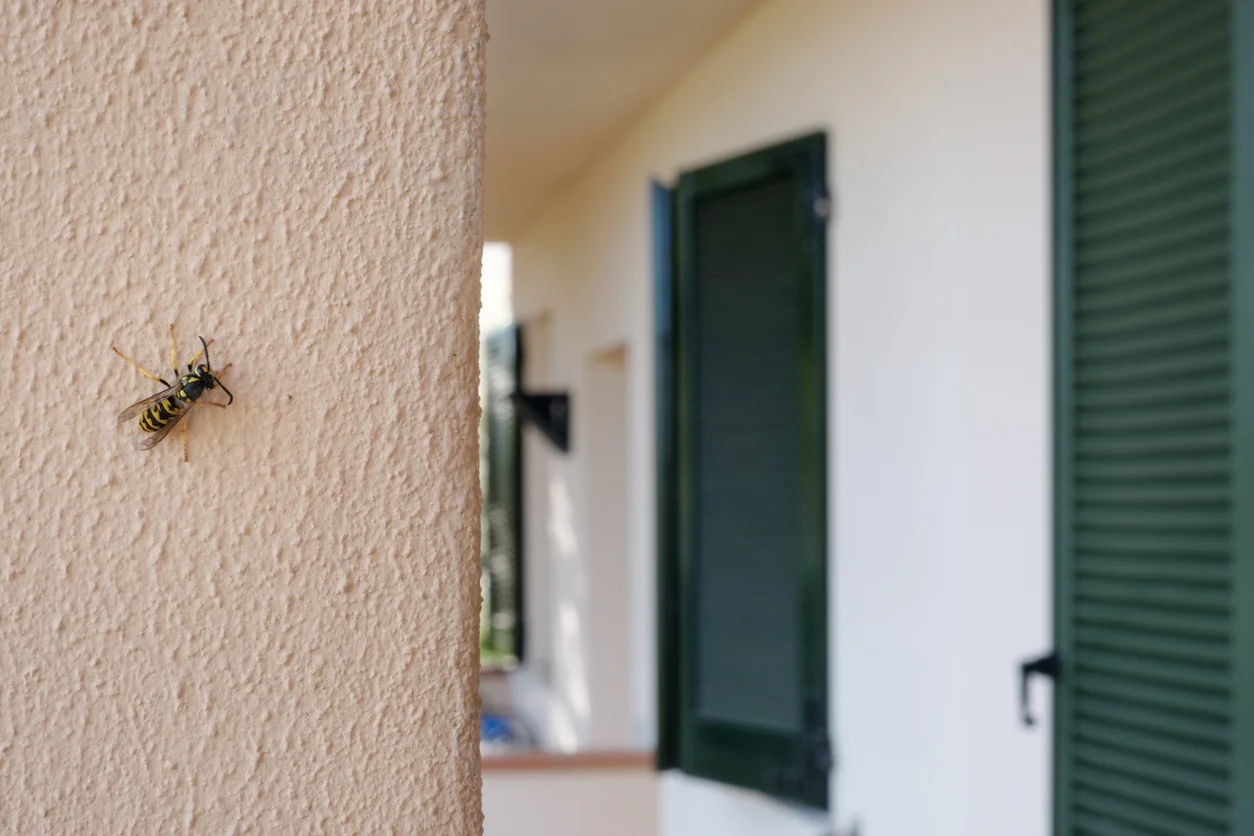
Wasps are one of the most common summer pest concerns for homeowners. By the time you notice several wasps hovering around your patio, deck, or outdoor dining area, there is often an established nest nearby.
The good news is that preventing wasps is usually easier than dealing with a large colony later in the season. Small changes to your yard, outdoor habits, and home maintenance routine can make your property far less appealing to queens searching for nesting sites and workers looking for food.
Here's what attracts wasps in the first place—and what you can do to discourage them.
Why Wasps Choose Certain Properties
Wasps don't randomly settle near a home. They look for locations that provide three essentials:
- Food
- Water
- Shelter
If a property consistently offers all three, it becomes a much more attractive place for a colony to establish itself.
In the Pacific Northwest and Idaho, warm summer temperatures encourage wasp activity. As colonies grow throughout the season, workers travel farther from the nest searching for resources. That's why many homeowners notice increased activity around patios, gardens, and outdoor gathering spaces during mid-to-late summer.
Remove Easy Food Sources
One of the simplest ways to make your property less attractive to wasps is to eliminate reliable food sources.
Interestingly, what wasps look for changes throughout the season.
In spring and early summer, worker wasps focus heavily on protein to feed developing larvae. By late summer, many species begin seeking sugary foods and drinks instead.
Early-Season Protein Sources to Manage
Pay attention to:
- Pet food left outdoors
- Open garbage containers
- Meat scraps in trash bins
- Dirty grills
- Compost piles containing food waste
A quick cleanup after cookouts and keeping garbage lids closed can reduce activity significantly.
Late-Summer Sugar Sources
As summer progresses, wasps become increasingly attracted to:
- Fallen fruit
- Fruit trees
- Soda cans
- Sweet drinks
- Juice spills
- Outdoor dessert tables
Even a small amount of sugary residue on a patio table can attract foraging workers.
Reduce Nesting Opportunities Around the Home
Food draws wasps to your property, but suitable nesting locations encourage them to stay.
Queens begin searching for nesting sites early in the season, often before homeowners notice any activity.
Take a walk around your property and inspect common nesting areas such as:
- Eaves
- Soffits
- Porch ceilings
- Deck undersides
- Sheds
- Play structures
- Utility openings
- Attics and vents
Small starter nests are much easier to address than mature colonies later in the summer. Sealing gaps and repairing damaged screens can also eliminate some of the protected spaces wasps prefer.
Keep Landscaping From Working Against You
Your landscaping can either discourage or support wasp activity.
Overgrown vegetation, dense shrubs, and cluttered storage areas create sheltered environments that many pests appreciate.
To make your yard less inviting:
- Trim bushes away from the home
- Remove unnecessary debris piles
- Store firewood away from gathering areas
- Keep the grass maintained
- Fill abandoned animal burrows when possible
Yellow jackets, in particular, may use existing ground cavities as nesting locations. A well-maintained yard makes it easier to spot activity early and reduces the number of places wasps can hide.
Manage Water Sources During Summer
Food gets most of the attention, but water is another important resource for wasps.
During hot weather, workers actively search for moisture to help regulate nest conditions and support the colony.
Common attractants include:
- Leaking hose connections
- Dripping outdoor faucets
- Bird baths
- Plant saucers
- Standing water in containers
- Clogged gutters
Reducing excess moisture around the property can make your yard less appealing while also helping limit other pest activity.
Natural Wasp Deterrents: What Helps and What Doesn't
Many homeowners look for natural ways to reduce wasp activity before considering treatment options.
Some strongly scented plants and essential oils may help discourage wasps from lingering in specific areas.
Examples include:
- Mint
- Citronella
- Lemongrass
- Eucalyptus
These options are best viewed as supplemental deterrents rather than standalone solutions.
One popular tactic that often disappoints homeowners is the fake wasp nest. While these products are widely marketed, results tend to be inconsistent. Wasps frequently ignore them altogether, especially if food, water, and shelter remain readily available elsewhere on the property.
The most reliable approach is still reducing the conditions that attract wasps in the first place.
Build Simple Prevention Habits Throughout the Season
The homeowners who experience the fewest wasp problems are usually the ones who stay consistent.
A quick property inspection every week or two during the summer can help you catch developing activity before it becomes a larger issue.
Look for:
- Small nests under eaves
- Increased wasp traffic in one area
- Fallen fruit accumulating beneath trees
- New gaps around doors or windows
- Water collects after irrigation or rainfall
These small observations often prevent bigger headaches later in the season.
Keeping Wasps Away Starts With Prevention
Wasps are always searching for food, water, and shelter. When a property provides all three, it becomes much more attractive to scouting queens and growing colonies.
If you're seeing regular wasp activity around your home, professional wasp control can help identify nesting areas, reduce existing populations, and make your property less inviting moving forward. TriGuard Pest Control offers customized pest control plans with monthly, bi-monthly, and quarterly service options designed to address seasonal pest pressures before they become larger problems.
Early action can help reduce wasp activity before colonies have a chance to grow. Call (208) 565-2416 or reach out to us online to get started.