

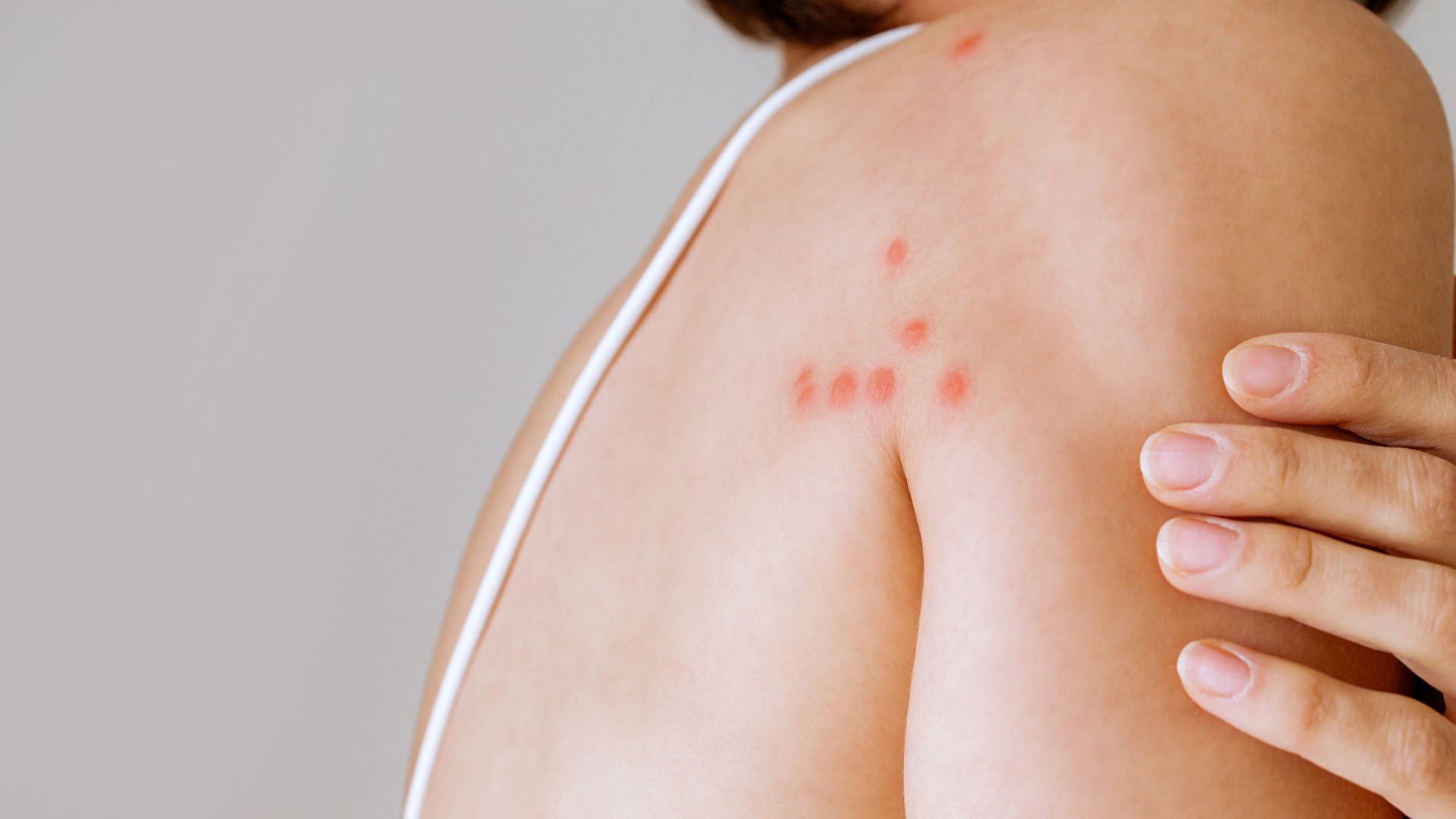
Bed bug bites often cause confusion. Many people mistake them for mosquito bites, rashes, or allergic reactions. Because bed bugs feed at night and hide well, bites are often the first visible sign of a problem. Knowing what bed bug bites typically look like helps you respond early and avoid a growing infestation.
Bed bugs do not live on people. They hide in mattresses, box springs, bed frames, upholstered furniture, and wall cracks. At night, they come out to feed on exposed skin. Their bites vary widely from person to person, which makes identification difficult without looking at patterns and timing.
How Bed Bug Bites Affect the Body
Bed bug bites usually appear as small, red, raised marks on exposed skin. Common areas include arms, shoulders, neck, legs, hands, and feet. Bites often appear in clusters or straight lines, sometimes called a “breakfast, lunch, and dinner” pattern.
Reactions differ by individual. Some people develop itchy welts within hours. Others show little to no reaction for days. Scratching increases irritation and can lead to secondary skin infections, especially when bites go unnoticed overnight.
Bed bugs inject a mild anesthetic and anticoagulant when they feed. This allows them to bite without waking you and delays visible symptoms, which is why many people do not connect bites to their bed right away.
How Large Can the Bites Get?
Most bed bug bites start small, similar in size to a pinhead or mosquito bite. With irritation or repeated feeding, they can swell into larger welts.
For some people, bites remain flat and red. For others, they become raised, inflamed, and itchy. Severe swelling usually points to a strong skin reaction rather than the size of the bite itself.
When Marks Can Show After Exposure
Bed bug bites do not always appear immediately. This delay often causes confusion and misidentification.
Some people notice marks within a few hours. Others may not see bites for one to three days. In certain cases, bites take up to a week to appear. This delayed response makes it harder to trace bites back to a specific night or location.
Because of this, people often assume bites came from outdoor insects, pets, or travel when bed bugs inside the home are the real cause.
Do Bed Bug Bites Appear Right Away?
Not always. Many people wake up without visible marks and notice bites later that day or days afterward. The absence of immediate symptoms does not rule out bed bugs.
Repeated bites over several nights often create clearer patterns. Those patterns matter more than timing when identifying possible bed bug activity.
Telling Bites From Other Skin Issues
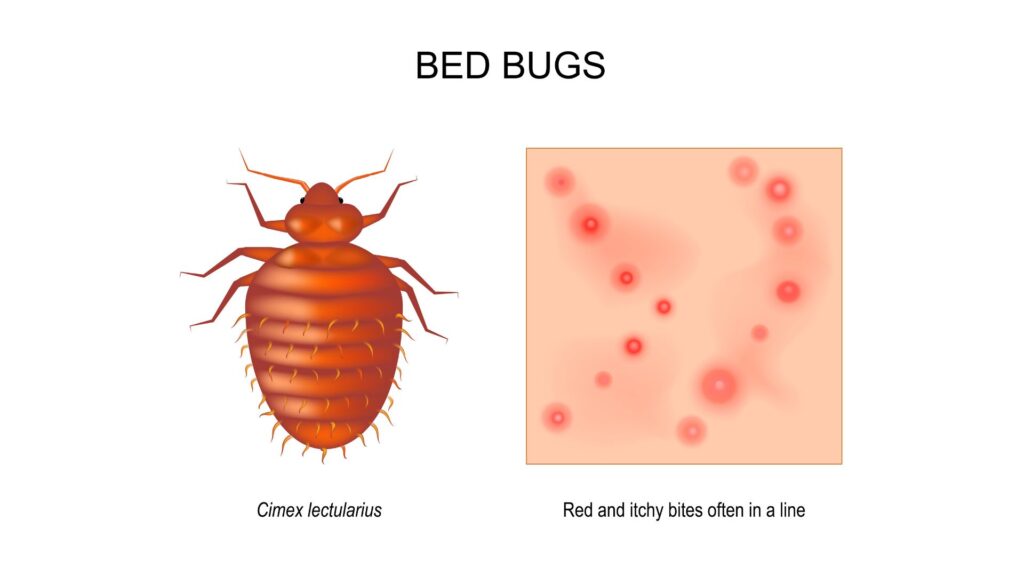
Bed bug bites resemble many common skin problems. Mosquito bites, flea bites, allergic rashes, and even hives can look similar at first glance. Looking at a single mark rarely gives a clear answer.
Certain traits make bed bug bites more likely. When comparing bites to other skin issues, watch for these common indicators:
- Clustered or linear patterns, often in rows or groups
- Bites on exposed skin, such as arms, neck, or legs
- New marks appearing overnight or after sleeping
- Recurring bites in the same area over multiple nights
These signs point toward an insect feeding pattern rather than a random skin condition.
Location also matters. Flea bites usually cluster around ankles and lower legs. Spider bites are uncommon and typically appear as a single bite, not multiple marks. Rashes spread unevenly and do not follow feeding patterns.
Bites alone are not proof. Environmental clues play an important role in identification.
Was It a Bed Bug Bite or a Skin Reaction?
Skin reactions can closely mimic insect bites. Detergents, soaps, fabrics, and even stress can cause irritation that looks similar to bed bug bites. Understanding how reactions differ helps narrow the cause.
Skin reactions often show these traits:
- Wide or irregular spreading, not limited to bite-sized marks
- Changes in shape or color over time
- Symmetry on both sides of the body, such as matching rashes
- No clear overnight pattern tied to sleeping
Bed bug bites tend to stay localized. They usually do not blister or ooze unless scratched. New bites often appear after sleeping in the same bed, which points toward an indoor pest issue rather than a reaction.
Physical signs in the sleeping area help confirm suspicions. These include small blood spots on sheets, dark specks near mattress seams, shed skins, or live bugs hiding in cracks and crevices.
Schedule a Bed Bug Inspection
Bites alone cannot confirm bed bugs. A professional inspection is the only reliable way to identify an infestation.
TriGuard Pest Control provides thorough bed bug inspections designed to detect activity early and prevent infestations from spreading. Trained technicians know where bed bugs hide and how to identify signs that homeowners often miss.
TriGuard Pest Control serves the following locations:
- Boise, ID
- Portland, OR
- Seattle, WA
- Denver, CO
- Tri-Cities, WA
If you are waking up with unexplained bites or noticing recurring skin marks after sleeping, scheduling an inspection is the fastest way to get clear answers and protect your home.