Finding a swarm of winged insects inside your home can be an unsettling experience for any homeowner. While both flying ants and termites often appear at the same time of year, they represent very different challenges for your property. Understanding the physical traits and behaviors of these two insects is the first step toward maintaining a worry-free environment. Early detection not only protects your peace of mind but can also prevent significant structural issues before they begin.
Examining Body Shape and Wing Structure
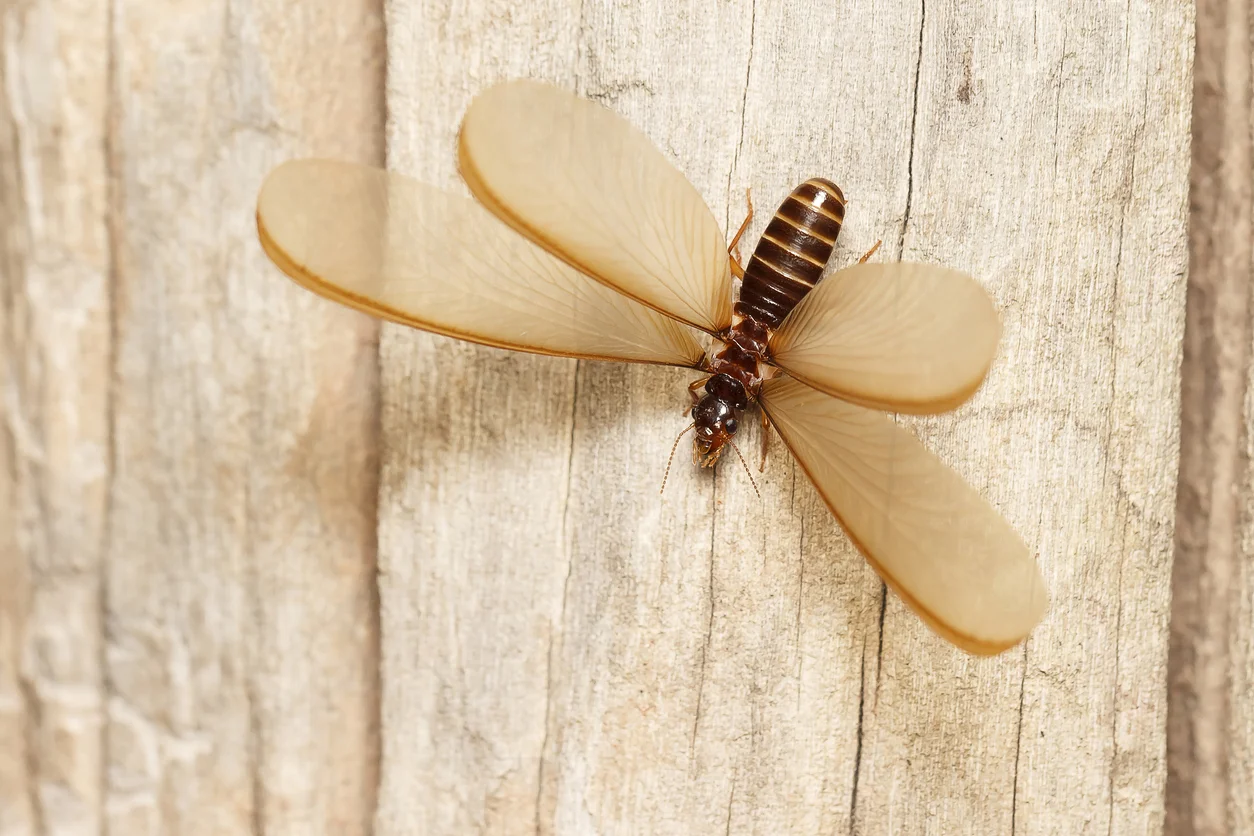
At first glance, these home invaders look nearly identical, but a closer look reveals distinct physical differences. Ants have a very thin, pinched waist that separates their segments, giving them a structured appearance. Termites, on the other hand, have a broad, thick waist that makes their bodies look like a single, solid piece. Their wings also tell a story, as ants have two pairs of wings that are different sizes, while termite wings are all the same length and much longer than their bodies.
You can identify which insect you are dealing with by looking for these specific physical traits:
- Ants: Elbowed or bent antennae and a thin, hourglass waist.
- Termites: Straight, bead-like antennae and a wide, rectangular body shape.
- Wing Shedding: Termites often drop their wings in piles shortly after swarming, leaving translucent scales behind.
Recognizing these subtle details allows you to understand the level of urgency required for your home. If you notice straight antennae or piles of discarded wings on your windowsills, it is time to seek a professional evaluation to protect your home's foundation.
Comparing Diet and Wood Damage
The way these insects interact with your home is perhaps the most critical difference between them. Termites actually consume the cellulose found in wood, effectively eating the structure of your house from the inside out. They are silent workers that often go unnoticed until the damage is extensive. Conversely, carpenter ants do not eat wood; they simply tunnel through it to create galleries for their nests, which can still weaken support beams over time.
Because termites and certain ants interact with wood differently, they leave behind unique evidence:
- Mud Tubes: Termites build small tunnels made of soil and debris along foundation walls to stay moist.
- Frass: Ants often push "sawdust" or wood shavings out of their nesting holes as they clean their tunnels.
- Hollow Sound: Wood that has been heavily damaged by termites will often sound empty or "thud" when tapped with a tool.
If your wood feels soft to the touch or you see small piles of sawdust near baseboards, you likely have an active colony. Addressing these signs quickly through specialized treatment ensures that the nesting cycle is broken and your property remains structurally sound.
Understanding Swarming Seasons and Behaviors
Both of these insects utilize swarming as a way to expand their colonies and start new nests. In the Northwest and Mountain regions, this usually happens during the warmer, more humid months of spring and summer. Seeing a swarm inside your home almost always indicates that there is an established colony nearby, either within your walls or just outside the foundation. Ants are often seen foraging for food in kitchens, while termites remain hidden, only appearing when it is time to reproduce.
A professional can help you determine the source of these swarms by checking the exterior of your property for moisture and entry points. Whether you are dealing with moisture-seeking pests or those looking for a structural meal, taking action during the swarming phase is the most effective way to prevent a large-scale infestation.
Securing a Worry-Free Living Environment
Identifying the difference between flying ants and termites is essential for ensuring the long-term safety and value of your property. While ants can be a major nuisance in your living spaces, termites pose a more hidden threat to the very bones of your house. By catching these signs during the early swarming stages, you can address the root of the problem efficiently and keep your home a safe sanctuary for your family.
When these home invaders appear, TriGuard Pest Control provides the expert care needed to restore your comfort. We offer targeted ant control for various species and comprehensive rodent control to keep your perimeter secure. Our professional team uses precision application methods and eco-friendly products to manage these pests effectively while prioritizing the safety of your children and pets.
Reach out to our professional team today for same-day relief and an expert evaluation of your home’s defenses. Book your home's protection today through our online form or call us at (208) 565-2416.